
Every trade contractor has experienced the phone alert from a lead marketplace: a homeowner submitted a project request, and the countdown begins. You drop your tape measure, dial immediately, and often hear: “You’re the third person who called me in the last five minutes.”
The true formula: Calculating cost per won job#
Marketplace directories such as Angi and Thumbtack use varied distribution models—from shared leads routed to several contractors to pay-per-contact programs. Evaluating whether any lead source makes financial sense requires tracking the complete funnel from raw spend to collected profit, rather than looking only at invoice cost per lead:
Cost per Won Job Formula
Cost per Won Job = (Gross Lead Spend + Estimator Labor Hours × Burdened Rate − Approved Lead Credits) ÷ Number of Won Jobs
An illustrative scenario: Small repair vs. major replacement#
To understand how lead acquisition economics scale across different trade ticket sizes, consider an illustrative monthly batch of 10 shared inquiries in a competitive metro market:
- Raw Purchase: 10 leads at $80 each = $800 total lead spend.
- Lead Quality & Disposition: 2 inquiries are out of service area or invalid contacts ($160 credited back after filing disputes); 4 inquiries are unreachable or already hired another vendor; 4 inquiries result in scheduled estimates.
- Estimator Labor: 4 estimates at 1.5 hours each (drive, scoping, and follow-up) = 6 labor hours. At a $50/hour fully burdened labor rate, this represents $300 in sales labor overhead.
- Total Acquisition Investment: $800 gross spend − $160 credits + $300 sales labor = $940 net direct acquisition cost.
- Won Contracts: 1 job closed out of the 4 scheduled estimates.
Whether this $940 acquisition cost is profitable depends entirely on the scope of work won:
- Scenario A: $2,400 Water Heater Repair. If direct labor and materials cost $1,500 (leaving $900 in gross profit), subtracting the $940 acquisition cost leaves a $40 net deficit on the job.
- Scenario B: $14,000 High-Efficiency System Replacement. If direct labor and equipment cost $8,400 (leaving $5,600 in gross profit), subtracting the $940 acquisition cost leaves $4,660 in solid contribution margin toward company overhead and profit.
Building owned lead capture alongside third-party sources#
Paid lead marketplaces can provide immediate volume when launching a new business or filling an unexpected slow week. However, building long-term equity requires establishing owned acquisition channels where prospective homeowners contact you exclusively:
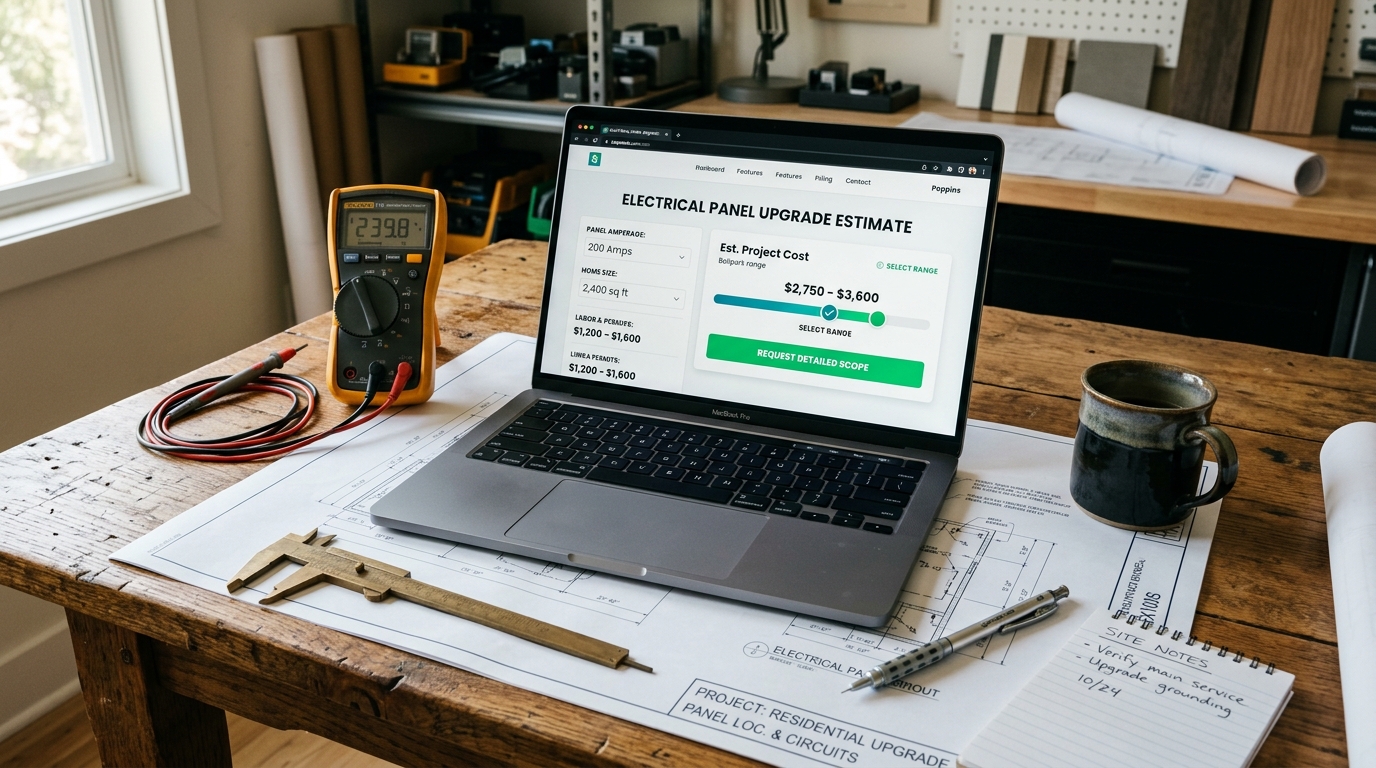
- Direct Website Ballpark Scoping: Giving homeowners transparent estimated ranges on your website filters out low-intent inquiries and captures direct contact info before they look elsewhere.
- Verified Google Business Profile Prominence: Consistent collection of authentic post-job reviews and clear category listings helps you earn placement in the Google Maps Local Pack.
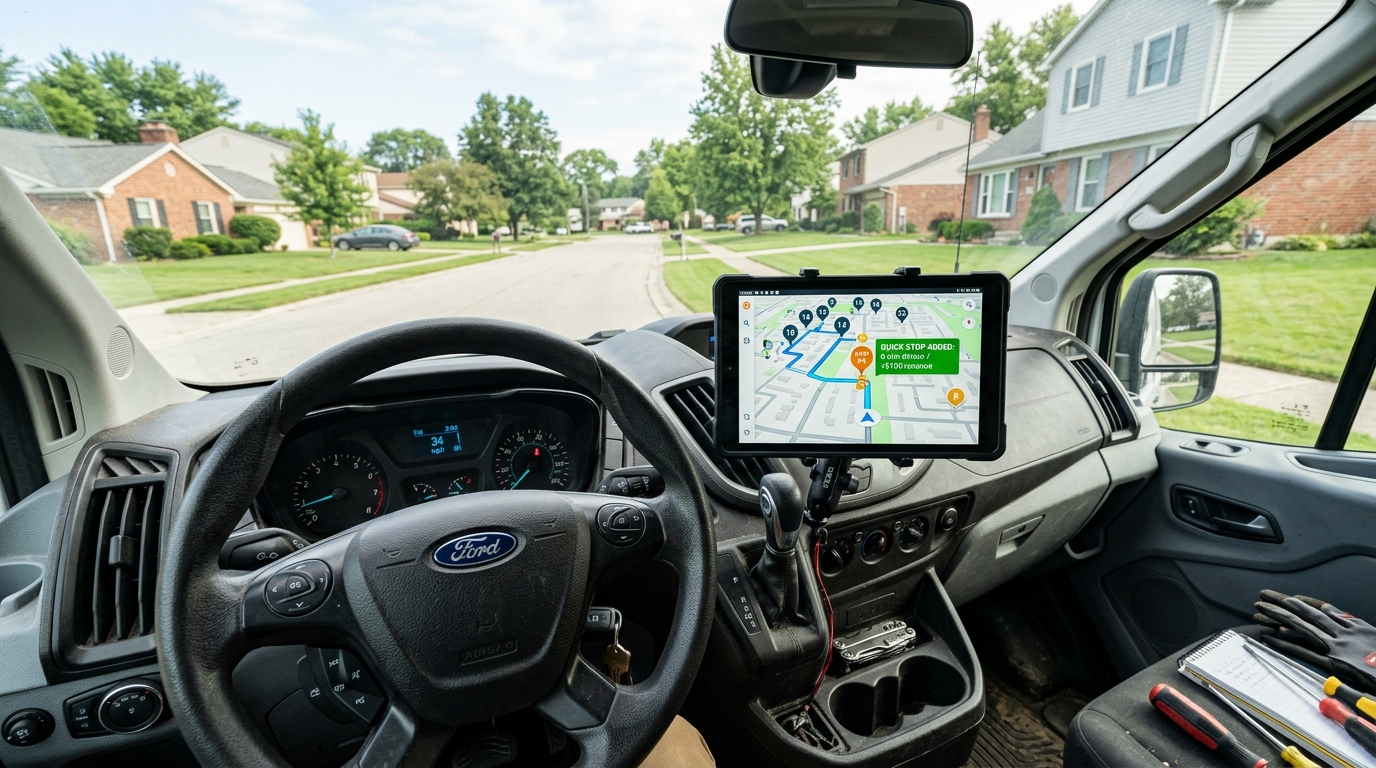
- Customer Referral & Proximity Marketing: When working on a residential street, providing neighboring homeowners with scheduled service updates builds neighborhood density without broker fees.
Owned channels require upfront setup and 3 to 6 months of consistent execution, but they generate exclusive inquiries with significantly lower ongoing acquisition costs. Let’s Get Quoted gives contractors high-converting web tools and automated review requests to grow their direct customer base.